
Features
- Onlay casting wax ideal for crowns, bridges, and inlays
- Softens at safe temperatures for direct intraoral application
- Flexible composition ensures precise adaptation to cervical areas
- Uniform workability across wide temperature ranges
- High plasticity enables detailed modeling of complex shapes
- Standard inlay wax allows easy release from plaster surfaces
- Excellent surface stability ensures accurate patterns
-
Preferred choice for both direct and indirect wax-up techniques
Description
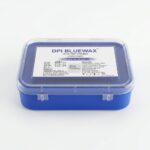
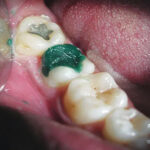
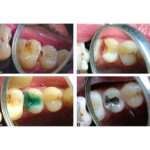
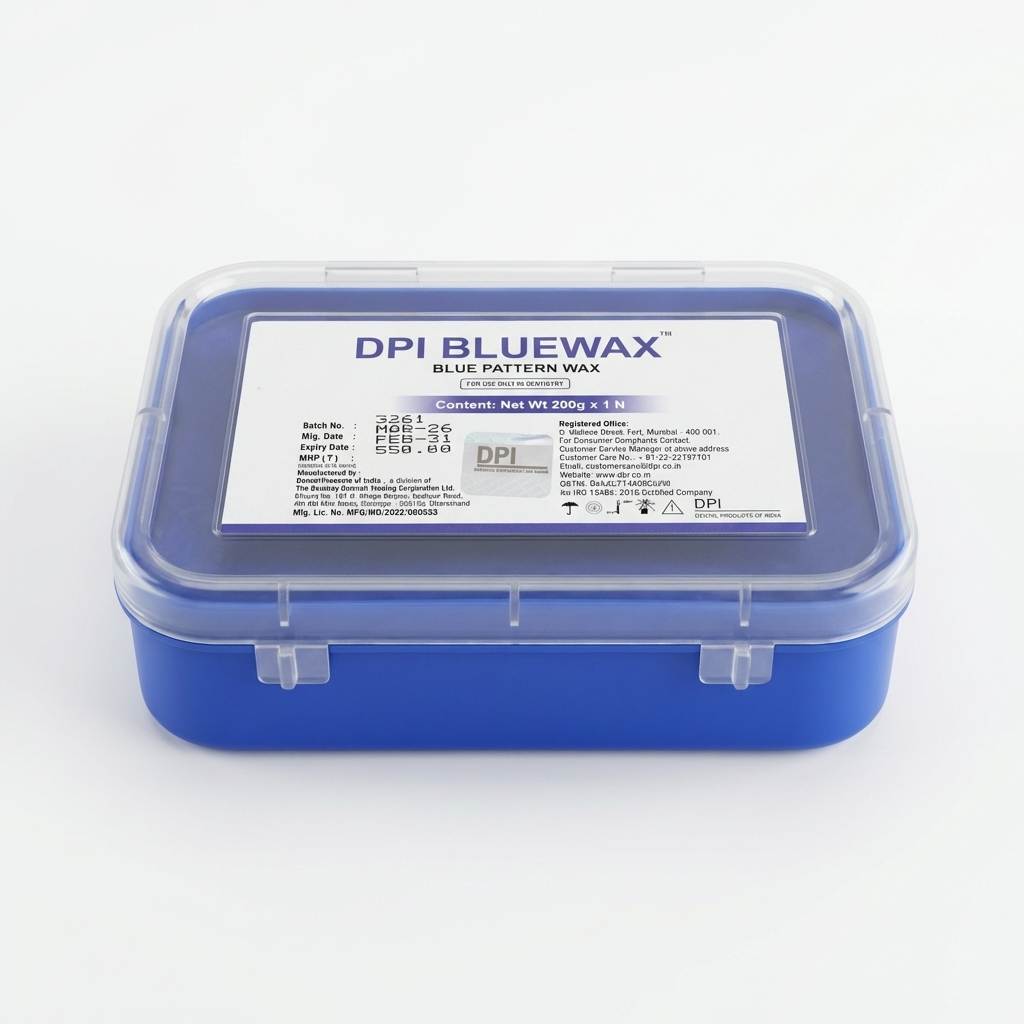
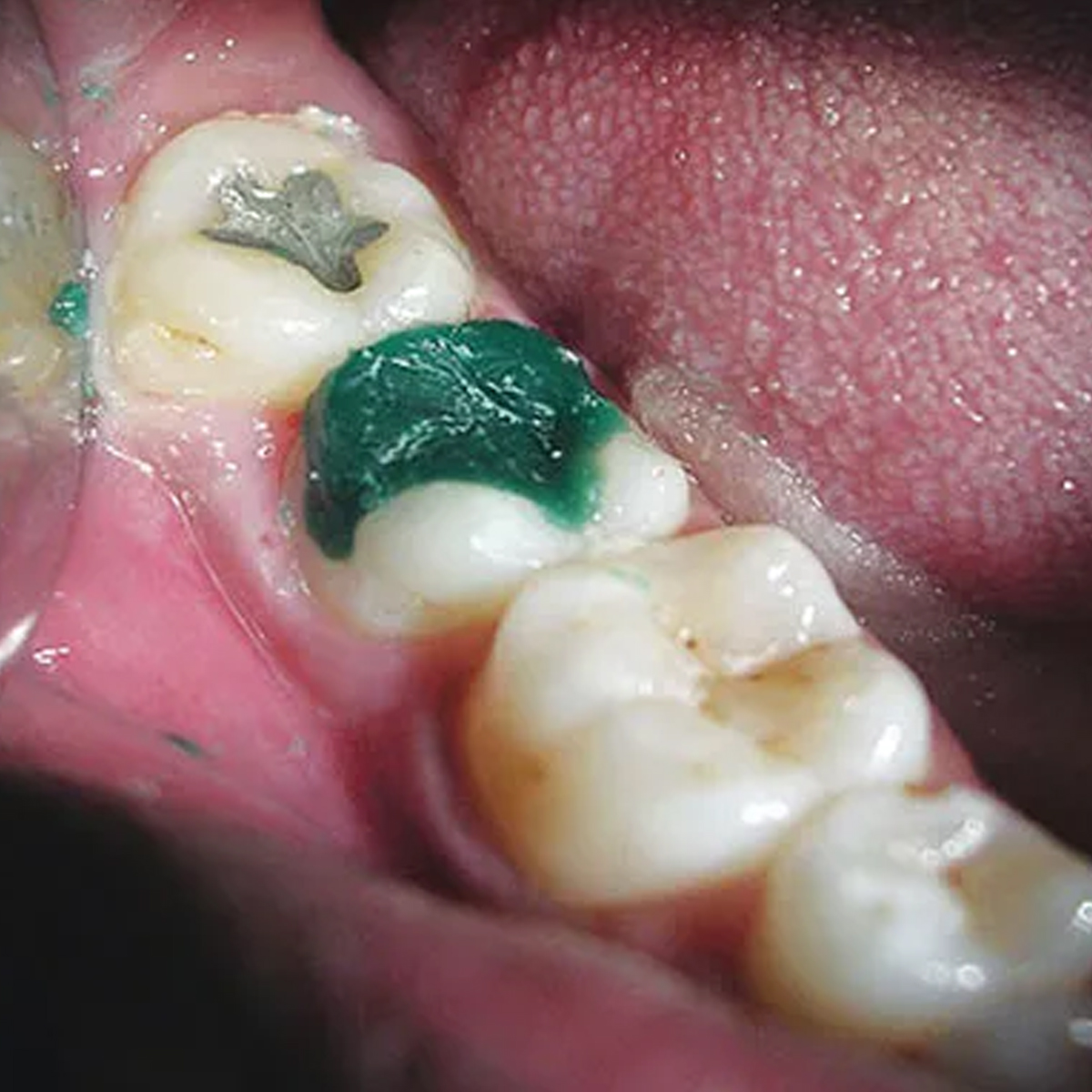
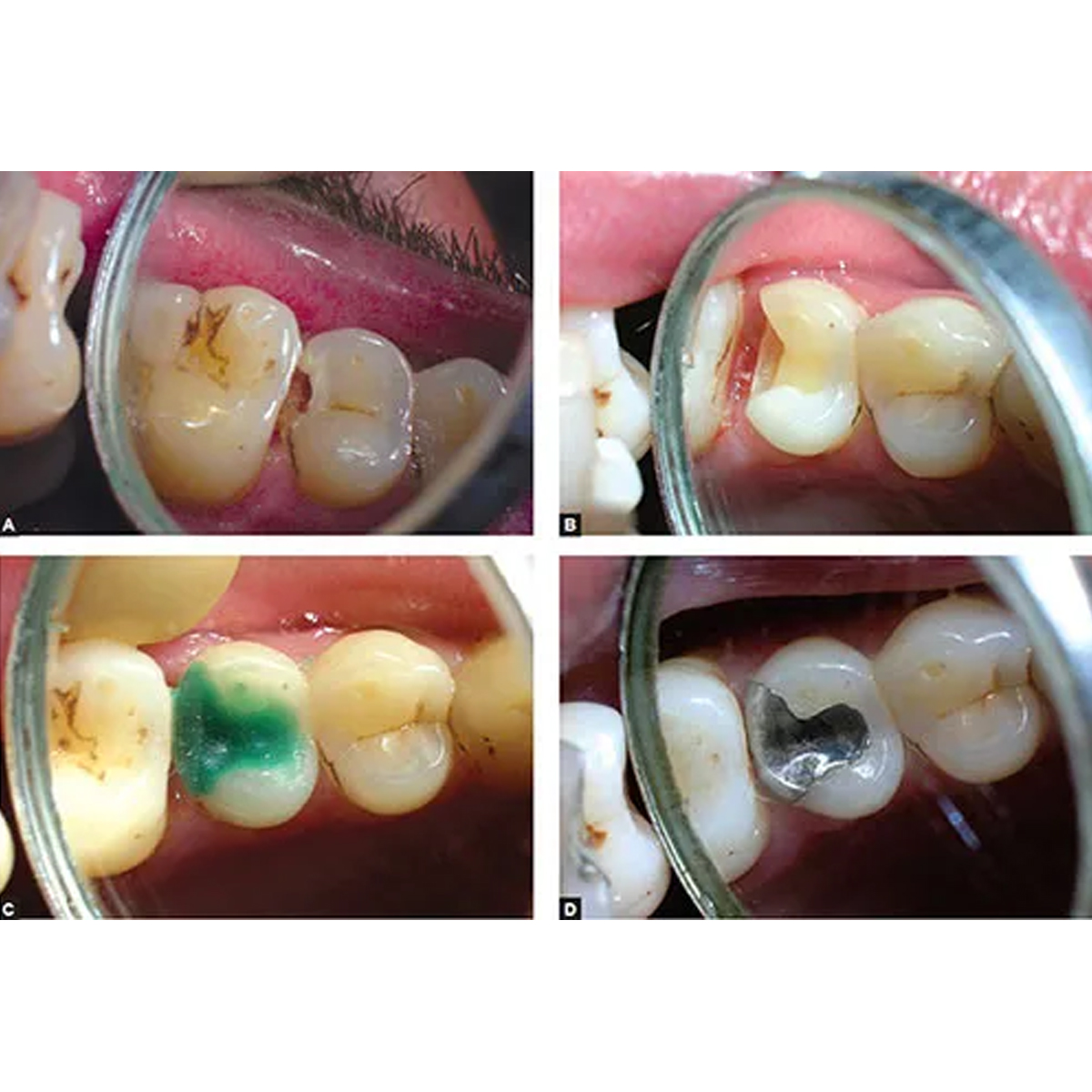
DPI BlueWax Pattern Wax is a high-quality onlay casting wax used for creating accurate patterns of metallic restorations, including inlays, crowns, and bridges. Classified as a Type-1 wax, it softens at safe intraoral temperatures, making it ideal for the direct wax technique without harming the pulp tissue. The wax offers excellent plasticity and workability across a wide temperature range, ensuring superior adaptation to prepared cavities. Its flexibility allows it to conform perfectly to cervical areas, while its high stability ensures pattern integrity. This standard inlay wax releases cleanly from plaster surfaces, facilitating precise modeling for both simple and complex restorations. Designed for professional dental use, it ensures accurate margins, consistent handling, and predictable results in laboratory and chairside procedures.
Key Specifications
- Type: Type-1 wax
- Usage: Pattern modeling
- Flow: High flexibility
- Softening Point: Safe for intraoral use
- Workability: Wide temperature range
- Application: Inlays, crowns, bridges
- Adaptation: Cervical fit
- Plasticity: Excellent molding
- Compatibility: Releases from plaster
- Stability: High surface stability
Packaging
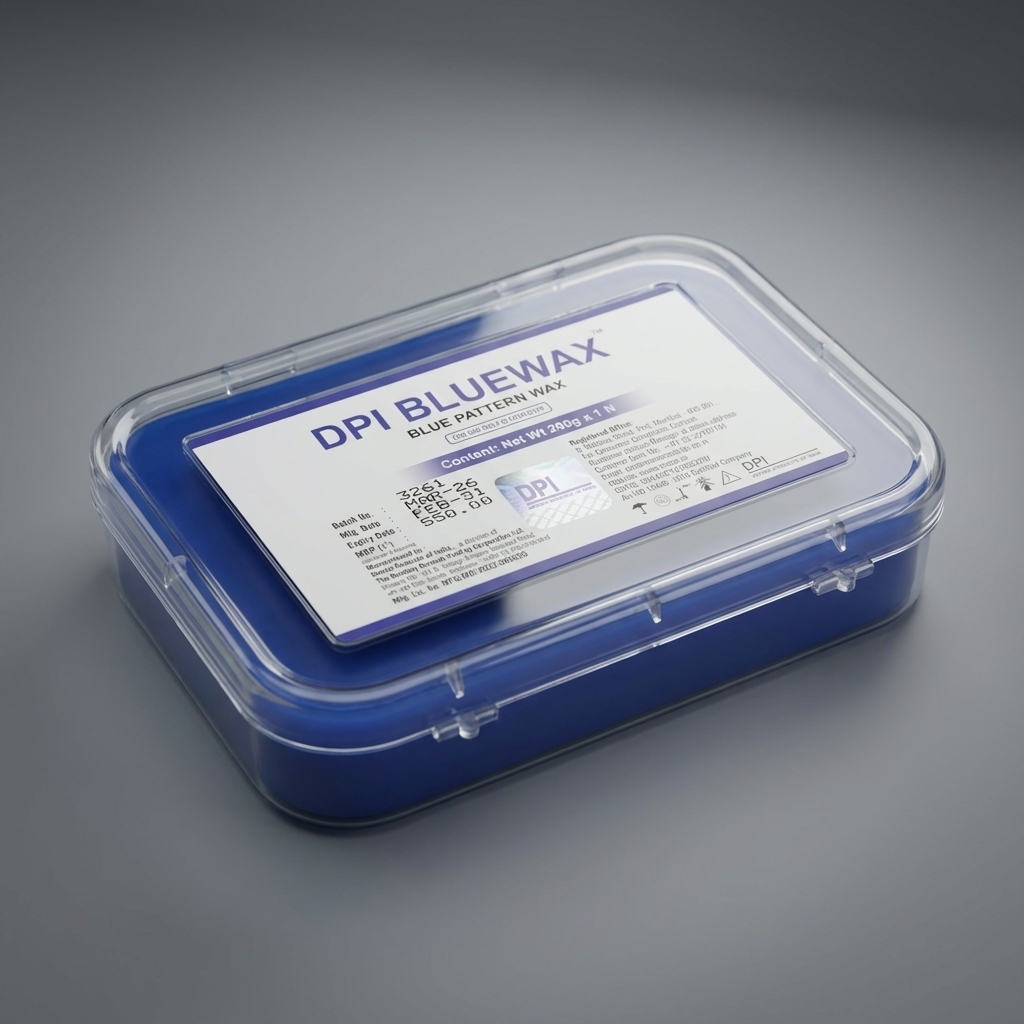
DPI BlueWax Pattern Wax
- 1 x 200gm
Direction to Use
Preparation:
- Ensure the cavity or die is clean and free of debris
- Dry the surface thoroughly to enhance wax adaptation
Wax Heating:
- Gently heat the wax over a controlled flame or wax heater
- Avoid overheating to maintain consistent plasticity
Application:
- Apply softened wax directly to the prepared area using an instrument
- Adapt the wax carefully to all margins and internal surfaces
Modeling:
- Carve and contour the wax to replicate the desired restoration
- Ensure uniform thickness and accurate anatomy
Removal & Casting:
- Allow the wax pattern to cool and set completely
- Remove it gently and proceed with investing and casting






Reviews
There are no reviews yet.